
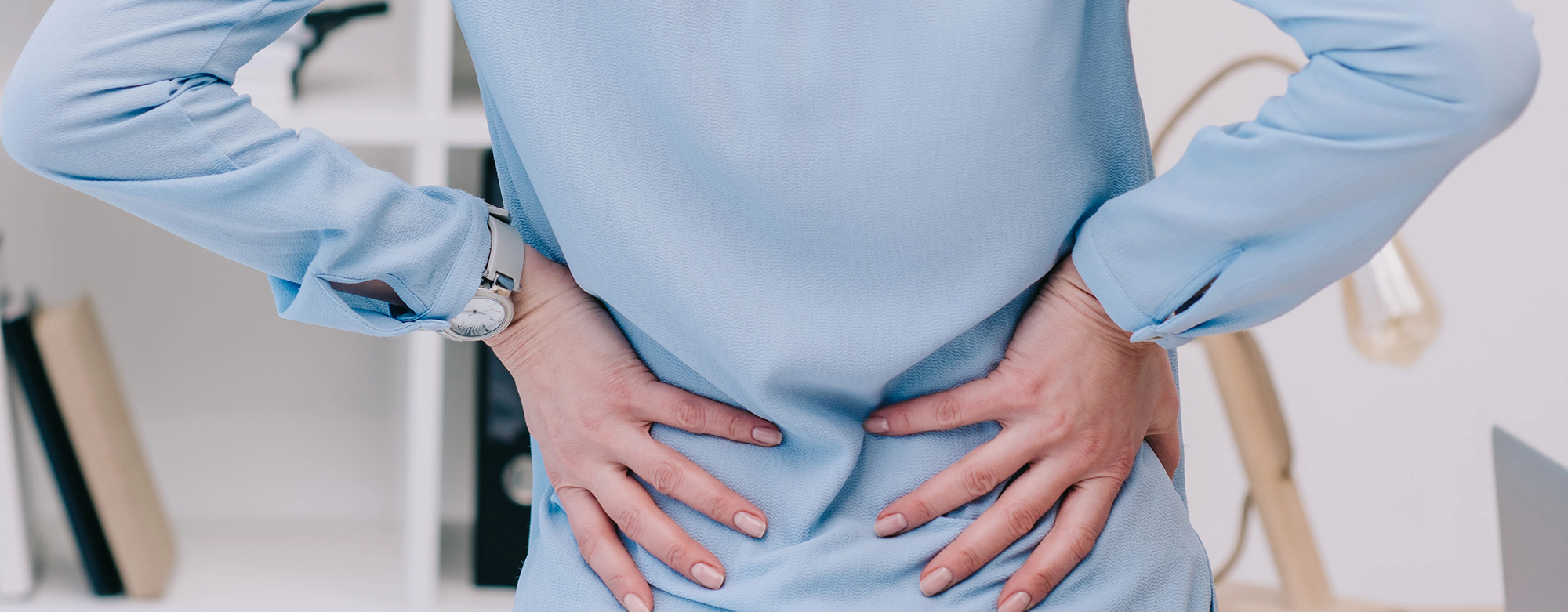
You’re not alone in dealing with back pain, herniated or bulging discs, numbness, and sciatica. These issues often arise from aging, poor posture, and lifestyle factors. Symptoms can range from localized pain to numbness or weakness, sometimes radiating to different body parts. Begin relief with non-surgical options like physical therapy, adjusted activities, and pain relievers, which help most people within weeks. For severe cases, surgical interventions like discectomy may become necessary. Prevention through proper lifting techniques, regular exercise, and maintaining a healthy weight is essential. There are effective strategies to manage your condition further ahead.
Understanding Back Pain
Back pain is a common ailment that affects a significant portion of the population, often stemming from issues with the intervertebral discs. These spinal discs act as shock absorbers between your vertebrae, but over time, they can become herniated or degenerate, causing discomfort.
When a herniated disc occurs, it might press on nearby nerves, leading to nerve pain or conditions like sciatica. Symptoms of back pain can vary widely, including localized discomfort, radiating pain, numbness, and even weakness, depending on the severity and affected area.
Understanding the risk factors for back pain is essential for prevention. Factors such as obesity, poor posture, sedentary lifestyles, and improper lifting techniques can strain your spinal discs, increasing the likelihood of disc problems.
Fortunately, most cases of back pain, including those resulting from herniated discs, resolve within weeks to months with conservative treatment methods. Physical therapy is often recommended to strengthen the muscles supporting your spine, improving flexibility and posture.
Pain management techniques, including over-the-counter medications, can also offer relief. By addressing these factors and engaging in appropriate treatment, you can effectively manage and reduce your back pain symptoms.
Causes of Herniated Discs
You may wonder what causes herniated discs, a common source of back pain. Age-related changes are the primary culprits. As you age, your spinal discs lose their flexibility and durability, making them more prone to injury. This degeneration can lead to a herniated disc, where the inner gel-like core pushes through the outer layer, causing pressure on the nerve and resulting in back pain.
Improper lifting techniques also contribute greatly. Lifting heavy objects by bending at the waist instead of using your legs places excessive strain on your lower back, increasing the risk of herniation.
A sedentary lifestyle and prolonged sitting, especially in jobs requiring heavy lifting or extended periods at a desk, can exacerbate disc problems by elevating pressure on your spine.
Obesity is another factor, as extra weight adds stress to your back, making herniation more likely. Additionally, twisting while lifting or experiencing rare traumatic events, like falls, can lead to a herniated disc.
To combat these issues, regular exercise and maintaining good posture are essential. They help keep your spine healthy and reduce the likelihood of developing a herniated disc over time.
Recognizing Symptoms
Recognizing the symptoms of a herniated disc is essential for timely intervention. If you’re feeling localized back pain that radiates to your buttocks, thighs, or calves, it might be more than just a simple strain. Often, this pain presents as sharp or burning sensations, with possible numbness along nerve pathways.
When discs are herniated in the cervical region, you may experience pain radiating to your shoulder and arm, accompanied by tingling or weakness in your hands.
Sciatica is a common result of nerve irritation and presents as tingling, burning, or electric shock-like pain traveling down one leg. This pain can worsen with sudden movements or prolonged sitting. Nerve compression from herniated or bulging discs can lead to muscle weakness, affecting your mobility and grip strength in your limbs.
In rare cases, you might encounter saddle anesthesia, which is a loss of sensation in critical areas. This symptom is serious and demands immediate medical attention as it can indicate potential nerve damage.
Diagnosing Disc Issues
Diagnosing disc issues often starts with a detailed review of your medical history and a thorough physical examination, aimed at pinpointing symptoms and identifying risk factors. This process helps your healthcare provider understand the nuances of your pain and how it affects your daily life.
Here’s how it usually unfolds:
- Medical History and Physical Examination: Your doctor will evaluate your symptoms and ask about past injuries or health conditions that might contribute to back problems.
- Imaging Tests: X-rays, CT scans, or MRIs are utilized to visualize the spine and confirm herniated or bulging discs. These tests provide detailed images of your spinal structure.
- Nerve Conduction Studies: Electromyography (EMG) may be used to assess nerve damage, helping pinpoint which specific nerves are affected by disc issues.
- Pain Severity and Symptoms Duration: If symptoms persist beyond six weeks, further investigation is necessary to determine the underlying cause and investigate treatment options.
Keep in mind, imaging tests mightn’t always reveal significant changes. Some age-related alterations happen without increasing pain severity.
Understanding these steps guarantees you and your doctor can collaborate effectively to address your back issues.
Managing Sciatica Pain
If you’ve ever felt a sharp, radiating pain down your leg, you might be dealing with sciatica. This condition occurs when the sciatic nerve is irritated, often due to herniated discs or other disc problems. You’ll likely experience nerve pain, which can include tingling, numbness, or a burning sensation. Managing this pain is essential for maintaining your quality of life.
To manage pain effectively, start with simple, self-treatment methods. Applying ice packs can help reduce inflammation, while over-the-counter NSAIDs (nonsteroidal anti-inflammatory drugs) can alleviate discomfort. For many, these measures provide significant relief.
In cases where symptoms persist, conservative treatments like physical therapy are recommended. Physical therapy focuses on strengthening and stretching exercises that can ease nerve pain and improve mobility.
The prognosis for sciatica is generally positive. Around 80-90% of individuals find relief without needing surgery, especially when early intervention and lifestyle changes are prioritized.
Conservative treatments also include spinal injections and chiropractic care, which can be effective alternatives before considering surgical options. By addressing sciatica with these strategies, you can manage pain effectively and reduce the impact of disc problems on your daily life.
Prevention Strategies
While managing sciatica pain is vital, focusing on prevention strategies can help you avoid back pain altogether. By incorporating some simple habits, you can support your spinal health and reduce the risk of herniated discs and other disc problems.
Here are some effective strategies to keep in mind:
- Posture: Maintaining good posture while sitting and standing greatly reduces strain on your spine. This simple habit can prevent disc-related issues and ease back pain.
- Physical Activity: Engage in regular physical activity, especially core-strengthening exercises. These exercises improve muscle support for your spine, decreasing the risk of herniated discs.
- Proper Lifting Techniques: Always bend at your knees and keep heavy loads close to your body. These techniques prevent injuries to your back and discs, ensuring better spinal health.
- Weight Management: Keeping a healthy weight is essential. Excess weight increases pressure on your spinal discs, heightening the risk of degeneration and herniation.
Additionally, consider ergonomic adjustments in your workplace. Using supportive chairs and desks minimizes back strain and promotes spinal health.
Lifestyle Modifications
To effectively manage and alleviate back pain, lifestyle modifications play an essential role. Maintaining a healthy weight is important for reducing strain on your spinal structure, which can help prevent and manage conditions like herniated discs and sciatica.
By engaging in regular exercise, particularly core-strengthening routines, you improve muscle support for your spine, thereby reducing the risk of disc problems and offering pain relief.
Proper lifting techniques, such as squatting instead of bending at the waist when handling heavy items, are critical to preventing injury to your discs and lower back.
At work, making ergonomic changes, like using supportive chairs and desks, can greatly alleviate discomfort from prolonged sitting, which often contributes to back pain.
Additionally, avoiding smoking is essential. Smoking is linked to an increased risk of degenerative disc disease and can impede healing in those with existing back issues.
By quitting smoking, you support your spine’s health and improve your body’s natural healing abilities. Incorporating these lifestyle changes not only aids in flexibility and pain relief but also contributes to your overall spinal health, helping you manage and prevent disc problems effectively.

